Woodworking is one of the oldest hobbies and pastimes there is. It's been around for centuries, but it wasn't until recently that wood has become an increasingly popular material to work with both aesthetically as well by its resistance qualities against wear-and-tear over time which makes this craftsmanship activity so valuable not just because of what you make becomes more beautiful than ever before - though definitely part truths worth telling about life itself!
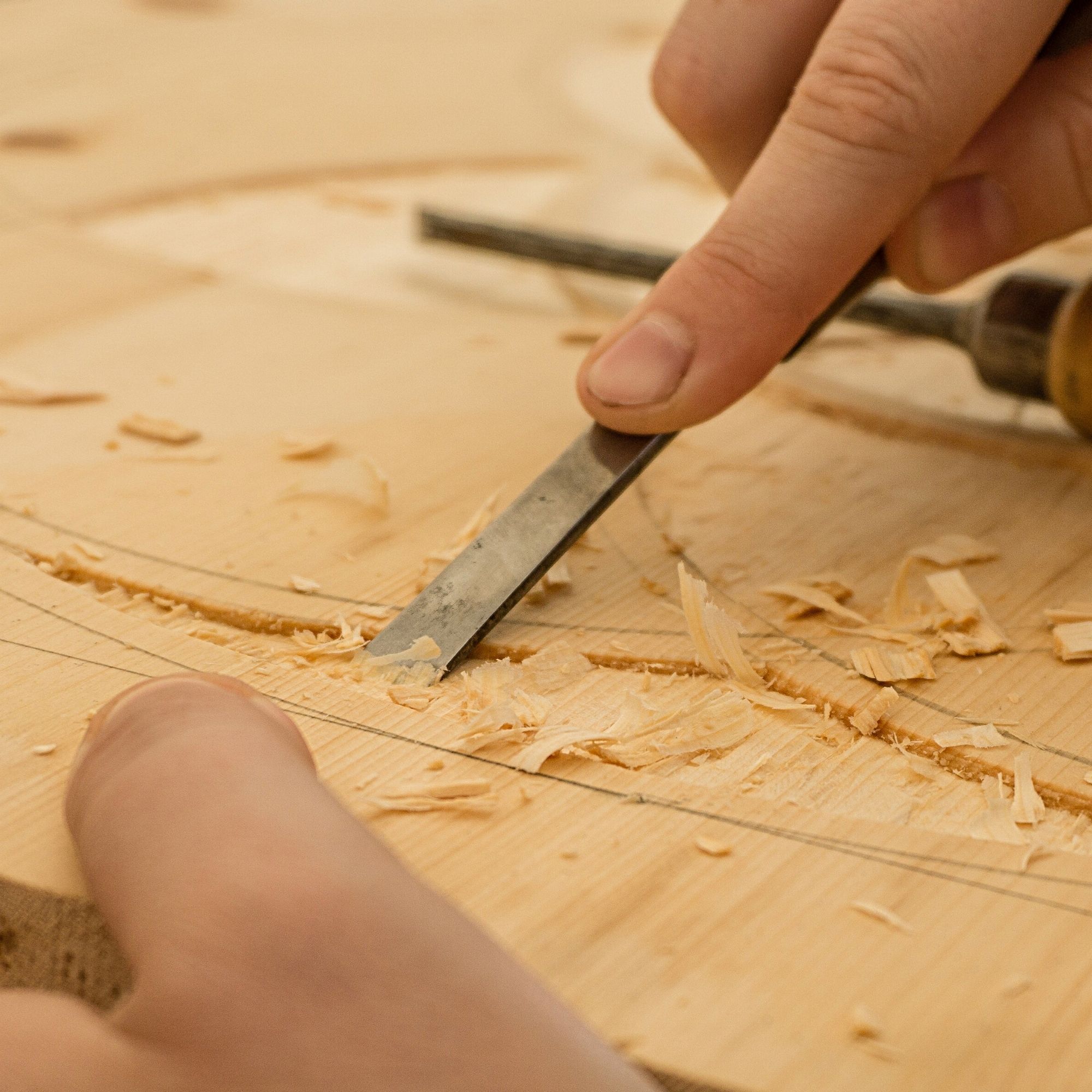
Woodworkers use tools such as planes and chisels or drill presses fitted out properly; they also rely heavily upon their constant attention when handling these sharp objects near living tissue--it takes skillful hand-sighted trained nerves.
What is a woodworker called?
.
A woodworker is called many things. Some people call them builders, carpenters, or even lumberjacks but what we know best is a professional builder in the industry of furniture design and construction with experience working on projects such as homes for families all around this country!
Woodworkers are known as craftsmen, carpenters, or shipbuilders.
What is the difference between carpentry and woodworking?
Carpentry and woodworking are both trades that involve building things with pieces of dried-out, disintegrating forest by hand. The main difference is in the tools used: carpenters use saws to cut materials into shape while their counterparts from a different trade - workers who work exclusively on freestanding furniture or household fixtures also use saws partnered with fine chisels and tools for intricate designs.
There is a lot of crossover between carpentry and woodworking, with both being concerned primarily around the cutting up or shaping various types of timber. A person who works on houses might do some construction work but would not be considered as essentially doing 'woodwork'.
What are the basic skills in woodworking?
Woodworking is a craft that requires patience and precision. The person who does it must be able to follow instructions, read blueprints or sketches well enough in order for them not only to understand but also execute what's required of him/her during each step; they need good hand-eye coordination as well since many tasks involve working with wood cutting boards being cut out using knives, etc.
A basic understanding would include knowing how much material needs went into making certain items (i e width vs height), which tools are used most often by professionals at this trade - powered drills versus manual screwdrivers. Some of the most important skills in woodworking are sawing, planishing, and cutting. You will also need to know how to nail or glue up panels together using clamps with T-nuts on them so they're really stable. All these and more and needed to excel in woodworking.
How do I get into woodworking?
The process of getting into woodworking can be a daunting one, but there are some easy steps that anyone with an interest in the trade should follow. To start off on your journey to becoming just as accomplished at this art form as many others out there who have gone before you - all it takes is following these simple guidelines:
1) Choose what kind of hobby will best suit both time constraints and budget restrictions
2). Find excellent resources by looking online where else forums exist about different subjects related directly back towards our interests (examples include Reddit's / r/woodwork subreddit)
3.) Attend workshops hosted locally through schools or organizations focused on similar passions outside work hours.
Woodworking is a very enjoyable hobby for many people.
A sense of achievement and creativity are two reasons that make this activity so appealing to those who participate in it either as an amateur or professional, though there's no denying how much fun both activities can be. Woodworking is an art that can be enjoyed by anyone. The creative process of designing and building things out of wood has been around for centuries, dating back to the carpentry skills employed during caveman-era!
Woodworkers enjoy using their hands-on abilities like measuring precise lengths or cutting perfectly sized holes in boards with hand tools while also enjoying some good old-fashioned engineering theory behind it all - understanding how levers work at rest but remaining still when pulled on, etc. It's more than just working hard; it is also about creativity and art!