
Did you know that physiotherapy is one of the most popular types of treatment for various conditions? Many people don't know about all the different ways they can benefit from it. That's why I'm writing this article to tell you what you need to know about Physiotherapy. You'll find out how it helps with an array of issues and how long each type lasts.
What is Physiotherapy?
I'm sure you've heard the term physiotherapy, it's when a doctor or physical therapist helps to heal injuries and some illnesses. Physiotherapy is a type of therapy that focuses on improving physical function and quality of life. A physiotherapist typically specializes in rehabilitation after an injury or illness, though they may also work with people who have chronic conditions which limit their range of motion (such as arthritis).
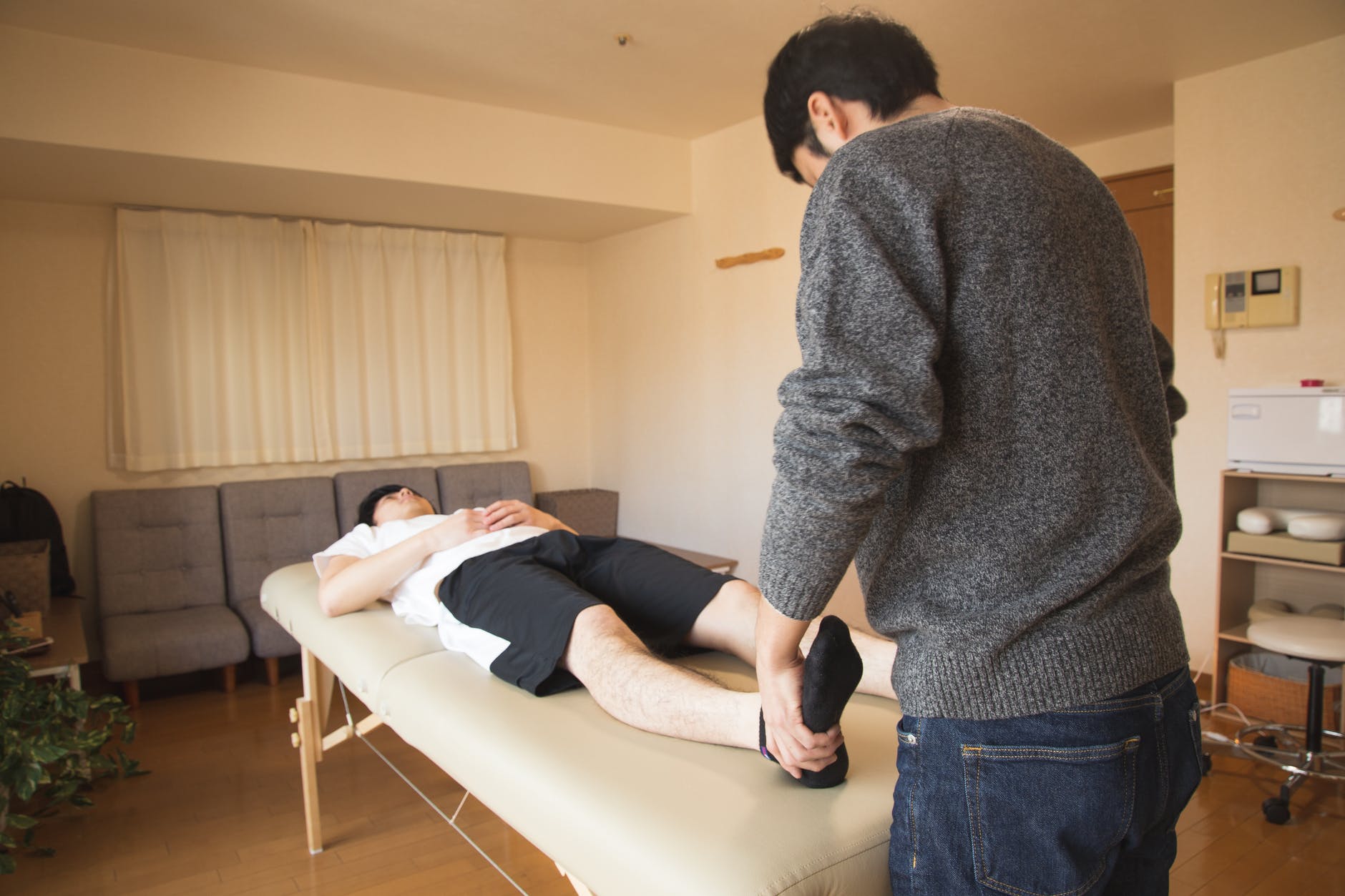
How physiotherapy can help you?
There are many different reasons why someone might come to see a physiotherapist. Perhaps you have recently been injured and need guidance on how best to recover or maybe your current medical condition isn't being resolved by other treatments, but the most common reason is that we want something better than living with pain for years on end only able to use certain parts of our body because they hurt too much. You'll be glad to know there's help available in all these circumstances! There are so many ways physical therapy can benefit us as individuals - it doesn't matter if its an injury from work or personal life; sports injuries like knee problems related directly from playing soccer; chronic conditions such as low back issues caused by sitting at the desk job day after day not taking care of your body; or even a condition like arthritis which affects so many in our generation. It is important for people to have a strong, healthy body. Physiotherapy can help with this and other aspects of life as well such as pain management or spine health since it has been shown that physiotherapists are able to find the root cause which enables them to treat many problems associated with muscle stiffness, bone injuries, and more.
Things to keep in mind before and after a visit to the physiotherapy
When visiting physiotherapy, it?s important to remember that the therapist is not your friend. The tone of voice they use should be professional and friendly. They will help you get better without making you feel embarrassed or awkward about any problems with movement in certain parts of your body which may have been caused by an accident at work for example.
Benefits of regular visits to the physiotherapy
You may be surprised at how much you can gain from these sessions. A qualified therapist will assess your condition and recommend appropriate exercises that could help strengthen or rehabilitate certain parts of the body, prevent injury in those with existing injuries, improve posture and reduce pain. And did we mention they?re really good for stress relief too? So get up off that couch today! It's no secret that going to the physio can be a bit of an ordeal. The prospect of being poked and prodded by some strange individual with sharp needles is enough to take anyone out of their comfort zone. But these are just mundane thoughts! Going for regular visits will help you return back into your normal routine faster, so if this sounds like it might work for you then sign up today!
Who should go see physiotherapy and when should they go?
I advise that if your pain or other symptoms persist for more than three weeks, it's time to visit one. It is also recommended by experts in the field of sports medicine and physical therapy that after injury patients seek out treatment within 48 hours so as not to worsen their condition.
What are some common conditions that people might be referred to a physio for treatment?
So you may be wondering what kind of conditions people might need a physio for. While there are many, some common ones include sprains and strains; back pain; neck or shoulder pain from a repetitive activity like sitting at the computer too long, eating fast food with no breaks in between meals, etc.; severe arthritis that limits movement due to compression on one?s nerves inside their spine which can lead to muscle weakness as well as loss of sensation/numbness (chronic lower back problems); sciatica where nerve roots coming out your spinal column get pinched by either damaged discs in your spine or an injury and lead to numbness below the waist down both legs.
You should also keep a journal to record, track, analyze and plan physical therapy for your patients. You can also Track with this journal like patient condition, symptom analysis, pain area in body diagram, pain level, and exercise plan.