
Injuries are very common and can occur at any point in time of the day. This emergency kit journal aimed to investigate knowledge, attitude, practice, and associated factors of first aid for people. The First Aid Kit is an important part of any emergency kit. It should be stocked with the necessary supplies to manage a variety of injuries and emergencies, just in case they happen. That's why it's always good to have one on hand at home or work, including bandages, gauze pads, tape, scissors, tweezers for removing splinters and ticks, sterile wipes for cleaning wounds and burns without touching them directly (these are also great for disinfecting surfaces), antibiotic ointment like Neosporin or Polysporin, nitrile gloves, eyewash solution if someone has been exposed to chemicals or other irritants, a thermometer, and any medications you or your family uses.
You will never know the true importance of a First Aid Kit not unless there is an emergency. A good kit should be stocked with the necessary supplies to manage a variety of injuries and emergencies, just in case they happen. That's why it's always good to have one on hand at home or work, and it is also important that it is complete with everything that you need for every situation. We bring you some helpful guidelines on what you need to know about First Aid Kit:
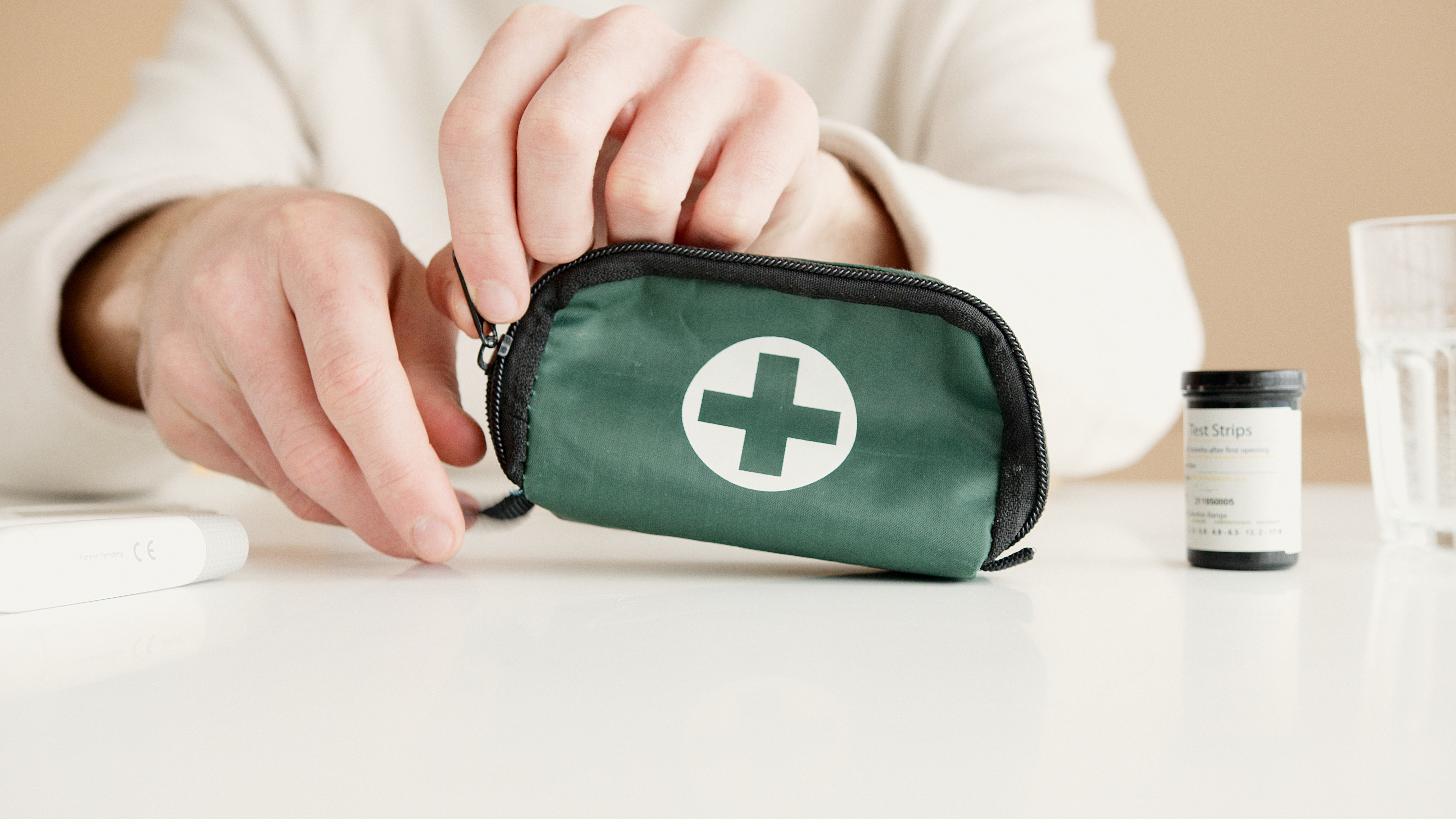
- What to include in your first aid kit
A first aid kit is a must-have for any home.
First aid kits are crucial for any place. The following items should be included: bandages, gauze pads, alcohol wipes, and ointment in a sealed baggie to prevent contamination of the wounds or further spreading of an infection if it's present on your skin.
A first-aid kit is necessary at virtually all places where people gather - from homes with children and pets who might get into scrapes; to workplaces that have machinery like saws; outdoor spaces such as campsites which may lack medical professionals nearby when emergencies occur - even public events or school functions can benefit from having one readily available!
2.The importance of having a first aid kit at home
Having first aid kits at home is important, and not just for the occasional boo-boo. Having one can be a lifesaver in an emergency situation because you never know when accidents may happen.
Having access to quality medical equipment like bandages or even medicines should always be on your mind if you are going out of town with kids who might get hurt during the trip due to their adventurous nature but also as an adult, it's wiser than being caught unprepared!
3.How to maintain your first aid kit
You should make sure to replace your first aid kit's supplies every six months. You can keep track of when you last updated the items by labeling them or using a system such as packing tape on one end so that it is easy to see which ones are new and need replacing next time around.
You know those days where everything goes wrong? They're not fun, but at least we have our handy travel-sized bandages with us! Make sure they stay in good shape over their shelf life though because if anything ever happens while you're away from home, being prepared will help put things back together again quickly (although hopefully not something too big!).
4.When and where you should use a first aid kit
You might be asked to use a first aid kit when you're in the wilderness, but where else can you find one?
You'll never know until it happens! Maybe your car will get into an accident and then boom - there's that long-forgotten red box. Or maybe at work... You just never know what life has planned for us so always have emergency supplies anywhere you go!
5.Why it is important that everyone have a basic understanding of the contents of their first aid kits
It is important that everyone have a basic understanding of the contents of their first aid kits.
Most adults are not prepared for accidents and emergencies, but you can never be too careful! For example, to treat burns it's best to use ice packs or cold water while avoiding submerging yourself into any sort of liquid as this could lead to only more complications; if someone starts choking on an object such as food there should be no hesitation during removing the item from his/her throat by using one finger up under your tongue until he spits out whatever was blocking him or her which will then hopefully end with them coughing violently before they resume breathing normally again.