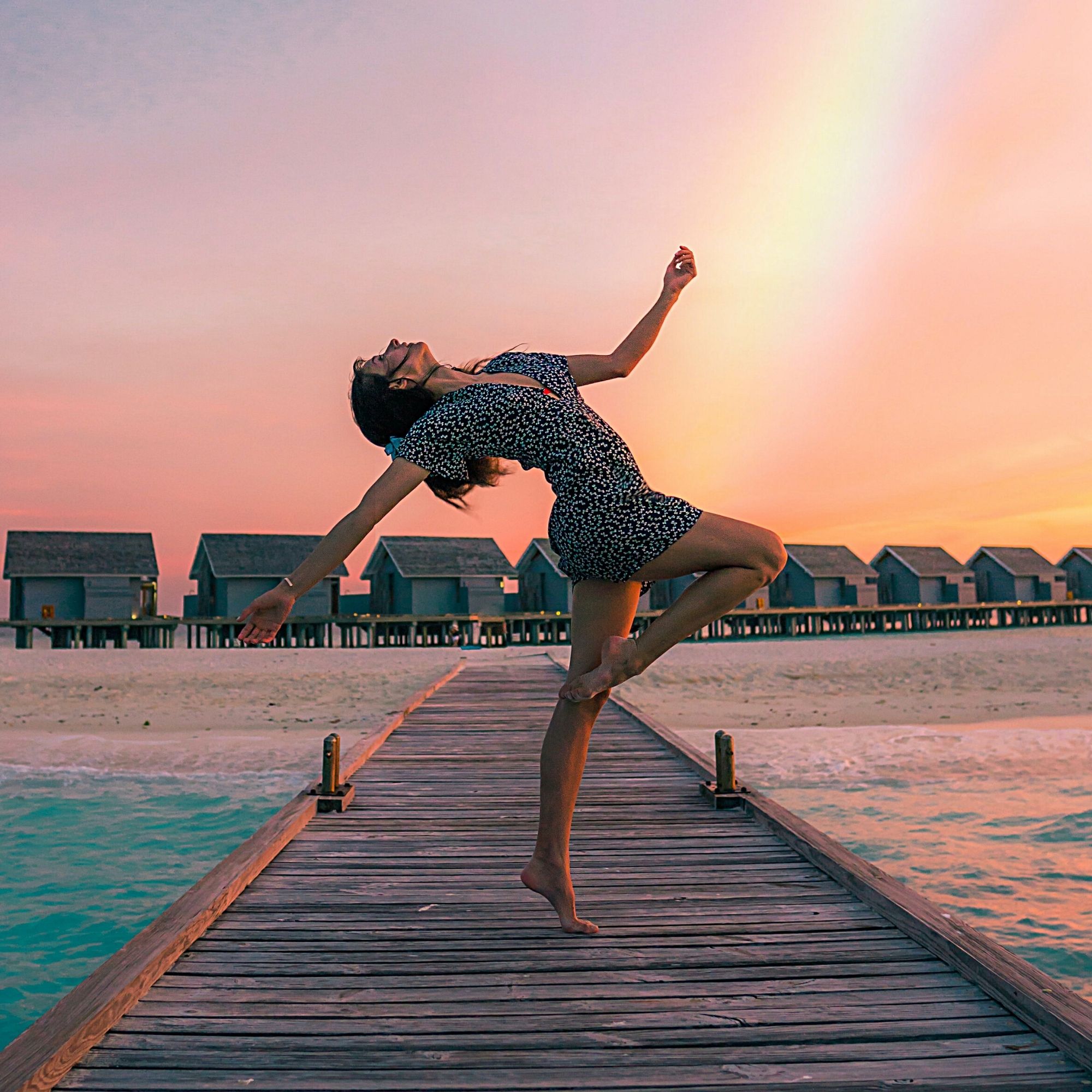
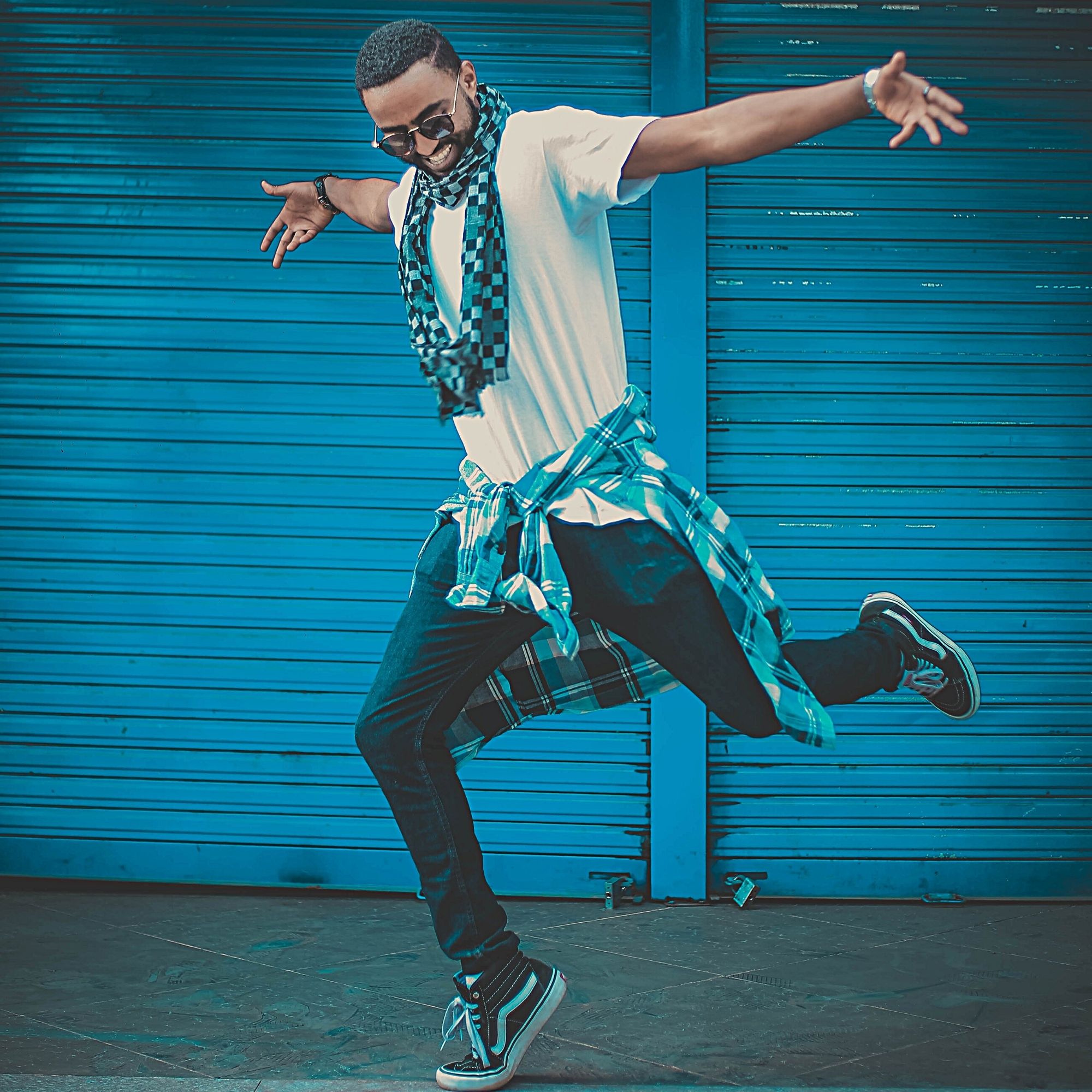
The art of dance is the expression through movement, which comes from an individual?s deep intuition and emotional experience.
It is a form of creative expression that can be used to communicate feelings and ideas. The dance, like any other art form such as music or literature, has the power for both entertainment purposes but also therapeutic ones because it stimulates our brain?s reward system which helps us feel better about ourselves when we release what's holding onto past trauma (whether those are conscious memories from an event happened in one's childhood).
It is not just about having fun and being creative but also using your body in ways that bring out emotions from within you. Dance can be an expression of something meaningful or personal on the surface; it could even serve as a form of therapy to help someone get through difficult times when they need support most. The mannerisms we use while dancing is often based on how our souls feel at any given moment.
What can we learn from dancing?
Dance is a great way for people of all ages and abilities to get together, have fun with others while learning new moves. Dance creates an amazing experience that can't be found anywhere else. We can apply the same principles of dancing to our daily lives. Dancing helps us maintain balance and coordination, which are necessary for success in any endeavor. It's a great way to make friends because everyone loves some good ol? dance music!
Dancers have an incredible ability to focus on the here and now. They can let go of negative thoughts or feelings, forget about their past mistakes for just one moment in time - like when you're dancing with someone else! Dancers' bodies seem almost liquid as they flow across each other while performing these complicated movements that look so easy yet require extensive training from years gone by as well as coordination between mind/body connection.
Why is dance so powerful?
Dance is so powerful because it allows the body and mind to let go of what's holding them back. The neurological responses that occur when we dance include increased heart rate, blood flow, muscle contractions, or relaxation - all essential for feeling rejuvenated!
Aerobic dances are great ways to relieve stress while developing coordination skills at the same time; they're also good exercises in quieting your brain by making you move about freely without thinking too much about each step taken (which has been shown to reduce anxiety). Just be sure not to overdo things since this type of workout can dehydrate you if performed inefficiently.
How does dance make you feel?
Dance can communicate joy, happiness, or relief. It is a form of self-expression that allows for the release and expression in a movement without words! A lot of people have different opinions about what they think dance should be; however, I personally feel it's an art form where individuals are able to express themselves creatively through their bodies by moving freely across space.
Dance is an emotional outlet for many people. It can release tension, sadness, or anger by giving control over one?s body and emotions through movement in close quarters with another person who shares the same goal - which often includes having fun!
What happens to your body when you dance?
Dance is an amazing form of exercise that can have many benefits for your body and mind. When you dance, it's like all the muscles in your entire being are flexing at once--you?ll feel this throughout every inch! Plus with increased blood flow comes improved oxygen intake for better brain function which leads to deeper thinking skills as well mental clarity; not only does dancing help keep us healthy but also focuses our minds when we need them most (like after intense workouts). A fun way to get fit while having some good laughs too?! Yes Please!!!
How does dancing affect the brain?
In a recent study, it was discovered that dancing can actually cause a person's brain to work better. The researchers found out by using an fMRI machine which measures activity in different areas of the human nervous system while people performed tasks such as drawing shapes or connecting strings together with other participants on opposite sides across the country via Skype connection. When individuals are moved enough through bodily actions (like during tango), there seems to be increased cognitive efficiency and attention stays sharper and longer.
The brain changes shape and function after just one session of dancing. Further studies have shown that when we dance, it is not only the movements themselves that cause this alteration in our neurological activity; instead, they believe there's also something about moving together as part of something larger than ourselves - be these shapes or steps that drive up engagement levels between neurons within key reward regions responsible for producing feel-good chemicals like dopamine.". So dance now and start feeling good!