
Meditation is a great way to calm your mind and body. It's also been shown to have many other benefits such as reduced stress, anxiety, depression, improved sleep quality, and reduction in chronic pain. Meditation for Beginners: A Few Things You Need To Know will discuss what meditation is, how it can help you with daily life struggles, and the best ways to start meditating.
Meditation is a mental state where you reach a place of relaxation and calm. Some people refer to it as mindfulness, but the terms are interchangeable. Meditation can be done in several ways: chanting or reciting mantras, doing yoga poses (called ?sanas), watching your breath flow in and out of your nose with your eyes closed, walking slowly around an area while focusing on feeling each foot landing on the ground one at time.
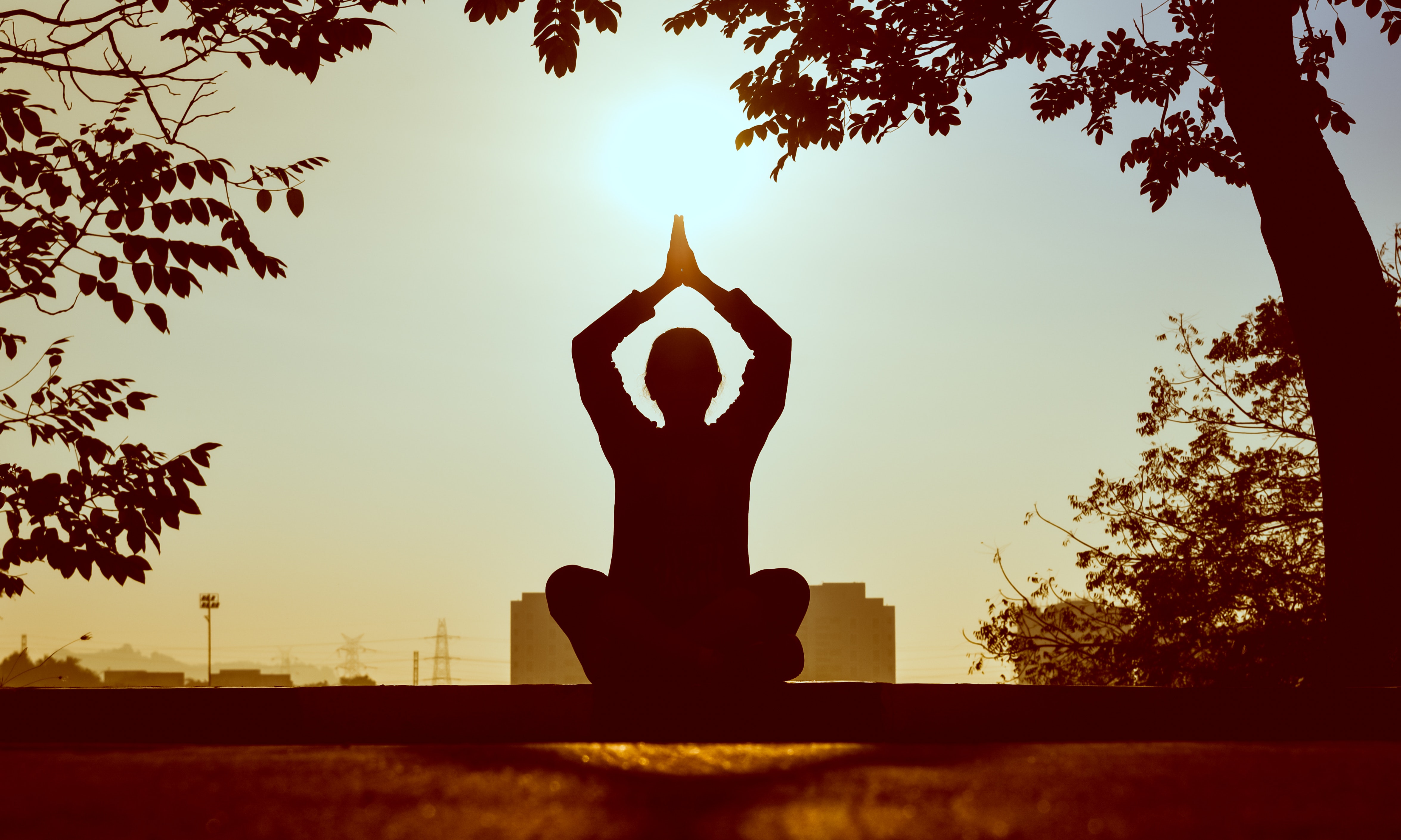
Meditation can be a powerful tool for self-reflection and healing. It also has many benefits, including:
One of the most notable effects is that it reduces stress levels which in turn helps to lower blood pressure and decrease heart rates through activity such as deep breathing exercises. This not only improves the quality of life but contributes positively to mental health.
Another often overlooked benefit from meditation is its ability to improve sleep patterns by reducing anxiety or insomnia caused by racing thoughts at night time while trying to fall asleep ? along with boosting our immune system's defenses against harmful bacteria!
Meditation can decrease stress and anxiety by calming the mind. It has been shown to help patients manage chronic pain, mood disorders such as depression or bipolar disorder, substance addiction, ADHD in children (the most common childhood mental health problem), irritable bowel syndrome symptoms like constipation and diarrhea -- pretty much anything that causes people a lot of discomforts! Meditation is also often used to improve sleep quality because it helps relax muscles which will allow for better breathing while sleeping.
Meditation is a powerful way to treat stress and depression, increase creativity, focus on goals or desires. The meditation process has been around for centuries as an effective tool in controlling the mind. To meditate you must first find your breathing rhythm which will help put your thoughts at ease. Sit comfortably with knees bent so they are parallel to each other; close both eyes and inhale deeply through the nose then exhale slowly out of the mouth while counting internally from one up until ten before repeating again. This technique can be performed anywhere!
Meditation tips for beginners
Meditation may seem easy in theory, but without guidance and experience, it can be difficult. Here are a few tips to get you started:
1.)Find time for meditation every day - at least 20 minutes is ideal. If that's not possible due to your schedule make sure each session lasts no more than 10 minutes so they're manageable increments throughout the week or month instead of all lumped together on weekends if that works better with your work/school hours.
2) Start off by sitting comfortably upright, either cross-legged (if you have good balance), or cushioning yourself with pillows against an inflexible surface like a wall behind you
3) Breathe deeply through nose and mouth equally; hold breath briefly before exhaling