
If you are a budgeter, then you have probably thought about how to improve your budgeting skills. You may have even considered hiring a bookkeeper or accountant to help keep your finances in order. However, there are some ways that you can do it on your own and save money in the process but first, let us know more about the budget.
Budgeting is the process of allocating funds or financial resources over a given period. It can be used to plan and control spending on anything, from personal finances to business costs. There are many reasons why budgeting would help you financially such as better money management skills which will lead to more savings in your account; preventative measures against debt by setting aside an emergency fund so that if something unforeseen happens like car repairs then you'll have enough saved without incurring any additional fees for those unexpected expenses; it helps ensure there are no surprises down the line when taxes come due because they're calculated based on what was entered into your accounting software program during this time frame- making sure everything matches up at tax season!
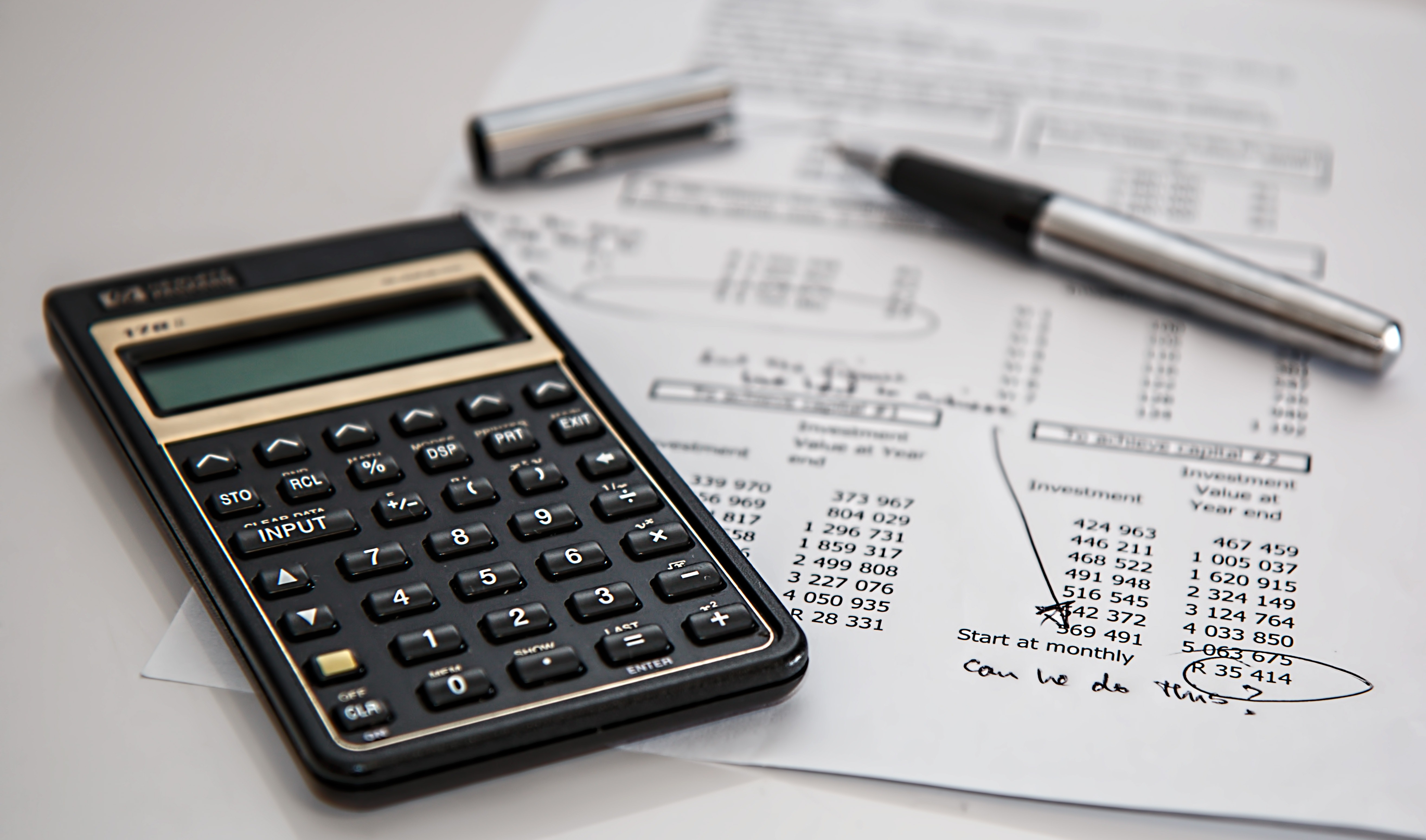
Imagine you had to start saving money from scratch. You would need a way of knowing how much is coming in and going out, right? This process can be really difficult if not impossible for many people without budgeting or other similar tools that make it easier on us.
We have all heard the phrase "spend less than what we earn" but with so many bills/expenses draining our incomes every month, it's hard enough just focusing on making sure there are sufficient funds at the end of each paycheck before getting caught up in purchases like gas and groceries- let alone creating room for savings!
In this blog post, we are going to discuss different ideas and tips on how to improve budgeting.
1. Establish a budget and set goals
Dreaming of the future is exciting, but you need to focus on what's in front of you. Your goals are just as important to your success and happiness now as they will be for later on down the road. Get real with yourself about how much money has been coming in overtime so that comes up with a budget around those amounts and begin setting aside some funds towards specific financial goals like saving for retirement or paying off debt.
2. Find out where your money is going
We all have money in the bank and we all know where it is, but what about when you spend your hard-earned cash? Do you really know how much of that dollar went to taxes or interest payments on your loan? How many cents did the government take out for gas prices going up again last month? Find out with this nifty app! The Money Tracker allows users to see a comprehensive breakdown of their spending habits by day, week, month, and year so they can make more informed decisions about saving versus spending.
3. Track every penny
Planning your finances is all about keeping track of what you spend and save. Most people know that they need to set a budget for their income, but don't always think through how much they can afford to put into savings each month or year. It's especially important when it comes down to the end-of-year holidays!
4. Make a plan to save more money
Aching for that next big purchase? That's okay, we all get those urges from time to time. But the thing is, when you're making a plan to save more money and start living within your means now it can make future purchases much easier on your bank account later down the line! Instead of saying "I wish I could afford this", think about how much better off financially you'll be in 1 year if you don't buy anything but put that money into savings instead. You might even find yourself thinking: Now there's something worth saving up for!
5. Spend less on things you don't need and spend more on things that matter to you (e.g., travel, experiences)
Buy less stuff and save more money! If you're not sure what to purchase, spend your hard-earned cash on things that matter most: travel experiences.