
"How do you become a good swimmer?" This is the question that every newbie swimmer asks themselves. Swimming is not an easy sport to master, and there are many things that people don't know about how to be excellent in this sport. In this blog post, I will discuss what it takes to have a successful swimming experience.
Swimming is a great form of exercise that can help you lose weight and get in shape. It also stretches your muscles, which improves flexibility while relieving stress on the joints and improving balance.
Swimming helps to improve cardiovascular fitness by increasing lung capacity, strengthening the heart muscle, reducing cholesterol levels, and decreasing blood pressure because it offers low-impact workouts with less joint strain than other forms of aerobic activity such as running or cycling.
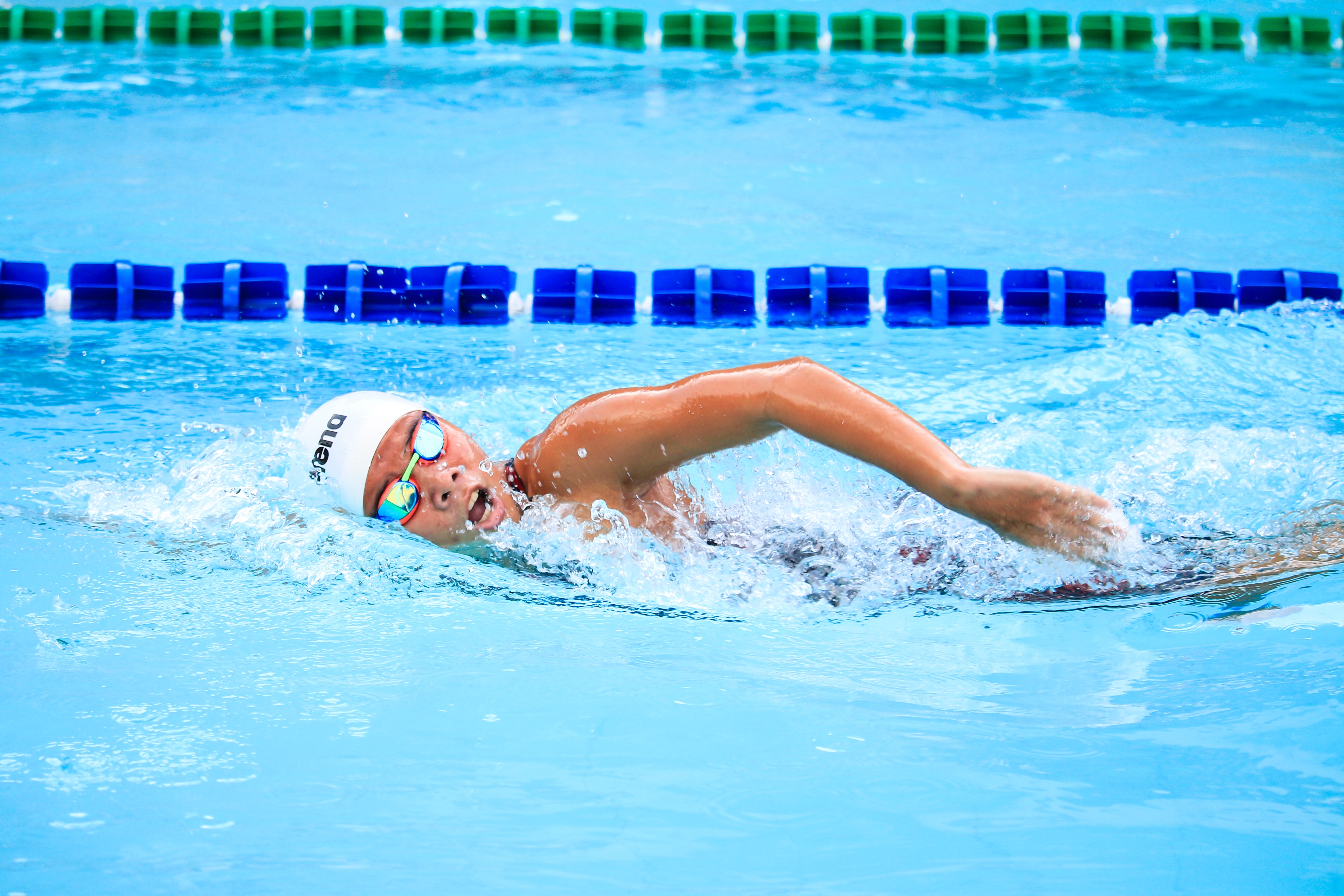
If you're looking to get some exercise and lose those calories from your ice cream binge last night then swimming is for you! While it may seem counterintuitive after spending hours in the water that actually burns more calories than being weightless on land. The resistance created by pushing against the surface of an object with muscles like our arms or legs means we'll be burning up energy at fast rates which can help us kick off pounds faster. The advantages don't stop there though, as science has shown swimmers have lower stress levels to boot when they take time out for regular dips in their local pool so go ahead - jump right into these amazing perks today!
Here are some tips on how to become an excellent swimmer:
1. The most important thing to remember is that it's not about how fast you can swim, but rather the smoothness of your stroke
If you want to be a good swimmer, then the most important thing is how smoothly your stroke goes. Even if it's not as fast and powerful as other strokes could be, smoothness will let you get through any obstacles with ease!
2. Make sure to keep your head above water - this will help prevent dizziness and fatigue
Make sure to keep your head above water so you can see the world below and not get dizzy or exhausted.
3. When practicing drills, always make sure to do them correctly or they won't have any effect on improving your skills
When practicing, never stop to think "just one more drill". If you do it incorrectly then there is no progress. Quit in the middle of a drill and your skills won't improve! Once you start drills that involve repetition like dribbling or shooting hoops, always finish them before moving on to something else so they don't become a habit without any practice behind them
4. Try doing a few laps with no breathing breaks in between - this will increase endurance and lung capacity
Your lungs will get bigger and your muscles stronger as you exercise, but it takes a lot of practice to maintain that during actual competitions. Sometimes the most important thing is just getting into shape for races - like swimming laps with no breathing breaks in between. This way, when we do have to take deep breaths underwater or on dry land, they'll come more naturally than before!
5. Work on developing a powerful kick by kicking with both legs at once while also moving arms in an alternating motion
Your powerful kick will give you the momentum and power to swim through any type of water. Great for if a shark is nearby! Developing your "powerful" leg kicks while also moving your arms in an alternating motion helps develop not only strong legs but good arm muscles as well. This can be great if you're swimming around sharks or other fish that may have teeth trying to bite into the skin - it'll help keep them away from our limbs altogether so we don't lose anything important (like fingers)!