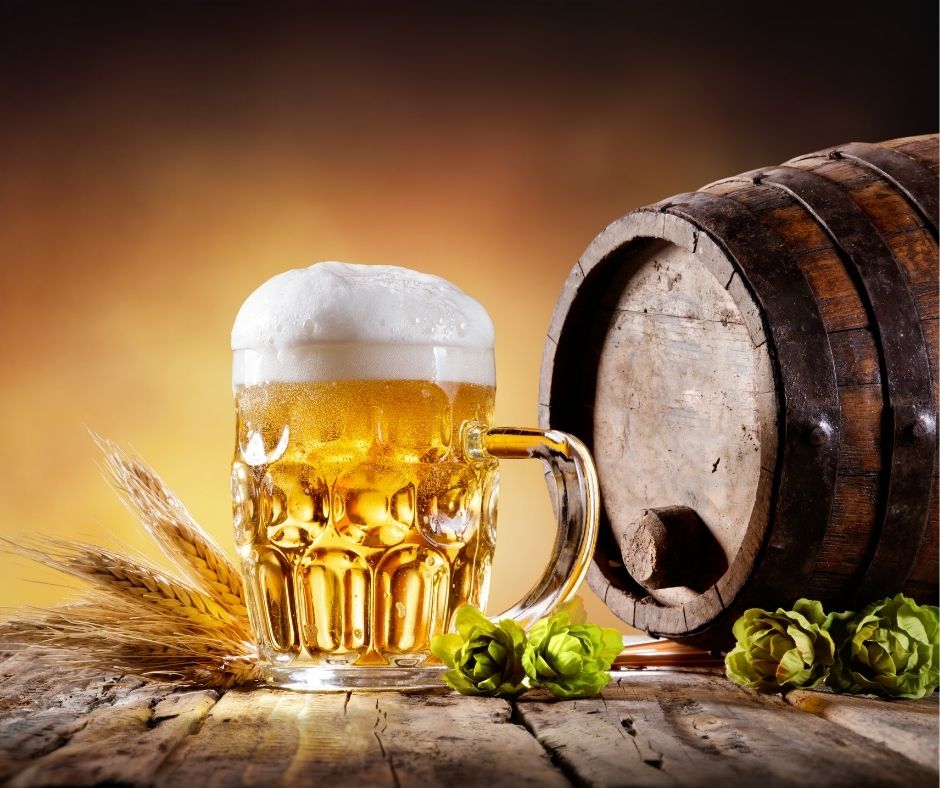
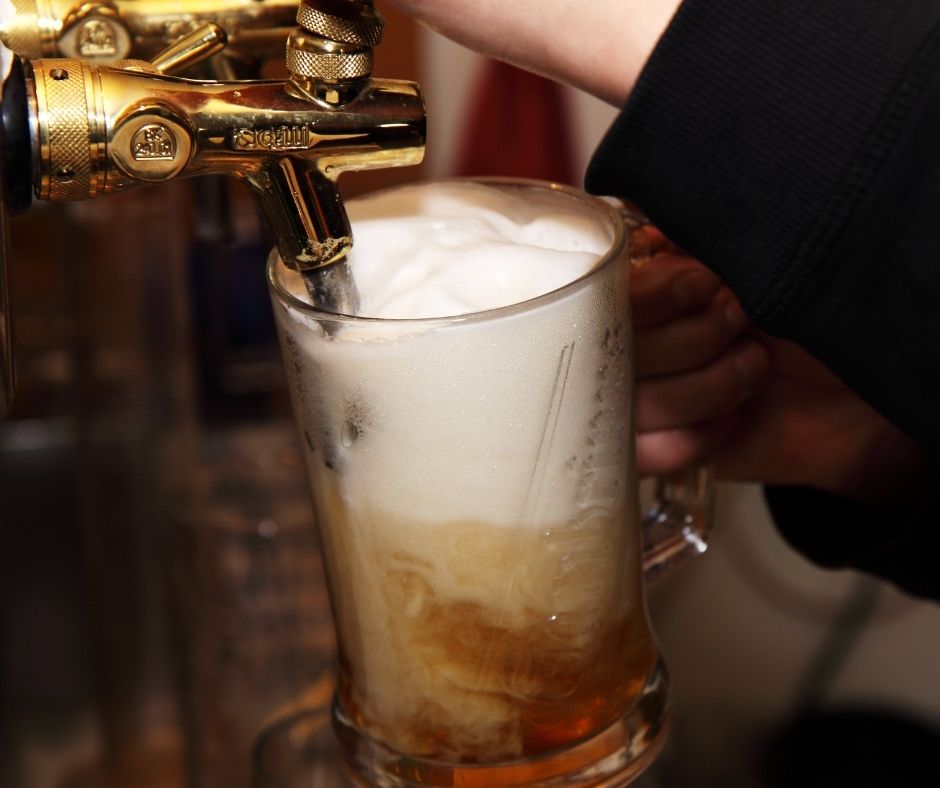
Yes, you can make beer at home! There are many different methods and recipes for homebrewing, so it's a good idea to do some research before getting started. In general, the process of brewing beer involves combining malted barley (or other grains), hops, water, and yeast. The mixture is then boiled and fermented, typically in a sealed container like a carboy or keg.
What is brewing?
Brewing is the process of making beer, a fermented alcoholic drink made from cereal grains. The most common brewing method is fermentation, which uses yeast to convert the sugars in the malt into alcohol. There are many different types of beer, each with its own unique flavor and style. Lager, for example, is a type of beer that is typically light and refreshing, while stout is a type of beer that is usually dark and rich in flavor. Brewing beer can be a fun and rewarding hobby, and it can also be a lucrative business venture. There are many microbreweries that have sprung up all over the country in recent years, and these breweries are producing some of the best beer there is.
What is the difference between brewing and fermenting?
Brewing beer is the process of combining a number of ingredients, typically water, malt, hops, and yeast, to create a delicious alcoholic beverage. Fermenting beer is the process of allowing the yeast to consume the sugars in the wort (unfermented beer), which creates alcohol and carbon dioxide. Brewing beer is an essential step in making fermented beverages, but it's important to note that brewing and fermenting are two different processes.
What are the 5 main ingredients in beer?
The five main ingredients in beer are water, malt, hops, yeast, and barley. Each of these ingredients plays a vital role in the taste, aroma, and overall quality of the final product.
How long does beer take to brew?
It takes about two weeks for the beer to finish brewing. This is assuming that everything goes according to plan and there are no problems during the brewing process. However, it is not uncommon for beer to take longer to brew. There are a number of factors that can impact the brewing time, such as the type of beer being brewed, the equipment being used, and the experience of the brewer.
1. Pour 10 liters of fresh, cold water into the 10-gallon plastic pail (carboy). If the pail is new, wash it out first with a mixture of water and baking soda to remove the plastic smell.
2. In your largest pot, bring seven liters of water to a boil.
3. Add one can of malt extract. Stir and cook uncovered for 20 minutes.
4. Add the sugar and stir to dissolve.
5. As soon as the sugar is dissolved, pour contents into the carboy. Pour, or ?splash?, the contents quickly, which adds air to the mixture. The more air the yeast gets initially, the better. It allows them to rapidly grow and get things going.
6. Top up with bottled drinking water or tap water until the temperature is neutral. (If using tap water, it is recommended to boil first to kill bacteria.) Test using a clean, sanitized thermometer. The carboy will now be a little more than half full.
7. Sprinkle in the yeast and stir well. Cover with lid. (Set lid on loosely; if capped too tightly, a carboy can explode from the carbon dioxide gas that is produced.)
- Beer is known to minimize the risk of kidney stones by 40%. Also, the fact that beer contains up to 93% of water helps to wash contaminants out of your bloodstream and keep your kidneys functioning properly. Hops in beer help to slow down the release of calcium from the bone, which may be reabsorbed as painful stones in the kidney.
2. Beer benefits for heart
- Drinking one every day can lower your chances of developing heart failure by 20% to 40%. The anti-clotting effect means fewer blood clots in the vessels, which is important because these things are dangerous and could lead to death.
3. Beer benefits for the stomach
- The more bitter acids in a beer, the better it is for your digestion. A study has found that certain types of German and Austrian beers stimulate stomach cells to release gastric acid which helps with both food breakdowns inside us as well as preventing harmful bacteria from growing around there too!
So next time you reach for a cold one, know that you're doing your body a favor! Cheers!