
Many people are fascinated with butterflies. They enjoy the colors and patterns they show, but what many don't know is how much work goes into studying them. Butterflies can teach us a lot about their environment because of all that we have to observe; including temperature changes at different times of day or year, as well as migrations from one region to another due to climate change. A butterfly's life cycle begins when it emerges from its chrysalis which contains an already developed caterpillar inside! This metamorphosis process takes six weeks before becoming fully grown and ready for the mating season- which usually lasts just two days! The female then lays her eggs on various food sources such as flower buds where larvae will hatch out after 8-10 days.
?
Butterflies are beautiful, but some people see them as a nuisance. They eat up plants and create an unpleasant smell with their droppings. However, they have many other benefits to the environment that others don't think of! Butterflies pollinate flowers like few other creatures can which helps new plants continue to grow while keeping pests at bay by destroying insect species such as aphids who also feed on these same flower blooms. In addition, butterflies help break down leaves through digestion in order for nutrients within their to cycle back into the soil where this process creates even more plant life from healthy soils rich in organic materials!
This blog post shares some fun facts about butterflies to help you learn more about these amazing insects.
1. Butterflies can taste with their feet
One of the many useful adaptations that butterflies have is the ability to taste with their feet. Scientists believed for a long time, before they had any proof, that butterflies could not feel or sense anything below them on the ground because it was too uncomfortable given how delicate and thin their wings are; but in reality, these winged beauties can actually use all six legs as tiny little tasting devices!
2. The color of a butterfly's wings is affected by the temperature
The color of a butterfly's wings is the result of its environment and temperature. The warmer it gets, for example when basking in the sunlight or sitting on top of flowers, the more yellow their colors become; while cooler temperatures will actually make them appear bluer as they absorb light from other sources and blend with blues to create different shades that are less vibrant than those seen at higher temps.
The color of a butterfly's wings is the result of its environment and temperature. The warmer it gets, for example when basking in the sunlight or sitting on top of flowers, the more yellow their colors become; while cooler temperatures will actually make them appear bluer as they absorb light from other sources and blend with blues to create different shades.
3. One of the most common butterflies in North America is called the Monarch Butterfly and it lives for about four months
A Monarch Butterfly is one of the most common butterflies in North America. It lives for about four months and changes its appearance as it ages, molts, and grows larger.
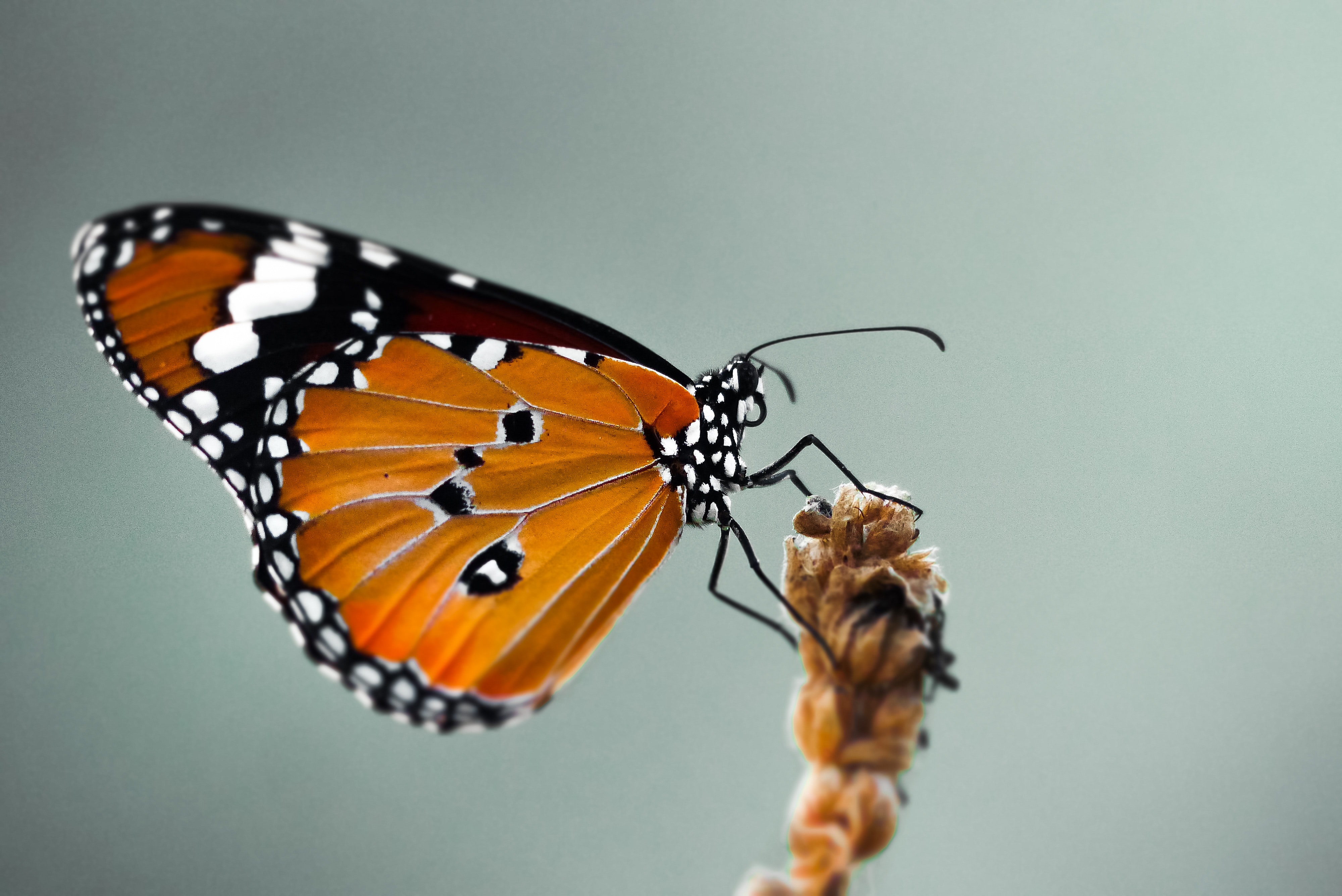
A Monarch butterfly can be recognized by spots on its wings that are black with white outlines. The coloration will continue to change throughout its life cycle until they finally reach adulthood when their colors fade into a tan/brown hue around late August or September (depending on where you live).
4. Butterflies have scales on their wings that overlap like shingles on a roof
Butterflies are remarkable creatures that have a lot of different features, but one of the most interesting parts is the scales on their wings. These scales overlap like shingles on a roof and actually give butterflies protection against water droplets because these overlapping layers cause rain to slide off easily!
Butterflies can be found in all sorts of places including meadows, gardens, forests - even your backyard if you plant plenty for them to eat and lay eggs near. Butterflies also come with some pretty cool traits too; they only live around 8 months so it's important not to kill any or else we'll soon see fewer as time goes by (they're already at risk). They use colors called "aposematic" coloration which means they're brightly colored to warn predators that they taste bad. Butterflies also have scales on their wings that overlap like shingles on a roof, which actually give them protection against water droplets because these overlapping layers cause rain to slide off easily!
5. There are over 20,000 different species of butterflies in the world
There are over 20,000 different species of butterflies in the world and each one is absolutely unique! Some have more vibrant colors than others, some fly farther every day than you can imagine. There is even a type that doesn't require any wings to survive as they absorb nutrients from their surroundings as plants do.
There are so many types of the butterfly out there-about 20 thousand all together with new ones being discovered frequently due to our increasing knowledge on this topic. They're an amazingly diverse group: while some might be brightly colored flying machines at arm's length away other kids don't use their wings for anything but perching or sucking up energy off leaves and flowers thanks to special adaptations such as leaf feeding mouthparts which evolved independently between 200 million to 500 million years ago.