
Dancing is a huge part of many people's lives. Whether you are a professional dancer, or just enjoy dancing for fun in your spare time, there is always something new to learn about the art form. One topic that comes up often when dancers talk about their craft is practice. The question of how much and what type of practice one should do can be confusing at first glance. Luckily, we have the answer! Dancing is a great way to relieve stress, gain confidence in yourself and your body, spend time with friends or family. The benefits of dancing are endless: it's fun and social!
A feeling that cannot be achieved through any other form of exercise like running on the treadmill - you can't talk while doing so which doesn?t allow for conversation between participants if more than one person chooses to run at once- as well as providing an opportunity for people who have never had physical activity before a safe place where they can learn how their bodies move without fear of judgment. Dancing allows us all opportunities we otherwise may not find; from learning new skills such as coordination and balance within oneself or of another partner (or two!) In this blog post, we will discuss all things dance practice basics so that you never feel lost again!
What is a dance practice?
As a dancer, you are always practicing for your next performance. Every time I get on the floor to practice my routine in preparation for an upcoming event or competition, it feels like I am getting back into shape and perfecting every step all over again.
Dance is not just about being able to perform perfectly when called upon; instead, it is something that requires constant work as well as dedication from both teacher and student alike. As we move through rehearsals together almost daily during our training period before competitions start up again around September each year, we must learn new routines with complex moves while trying desperately to retain what was learned last season too! With everything going on between classes at school/work outside of dance class hours (not forgetting family life.
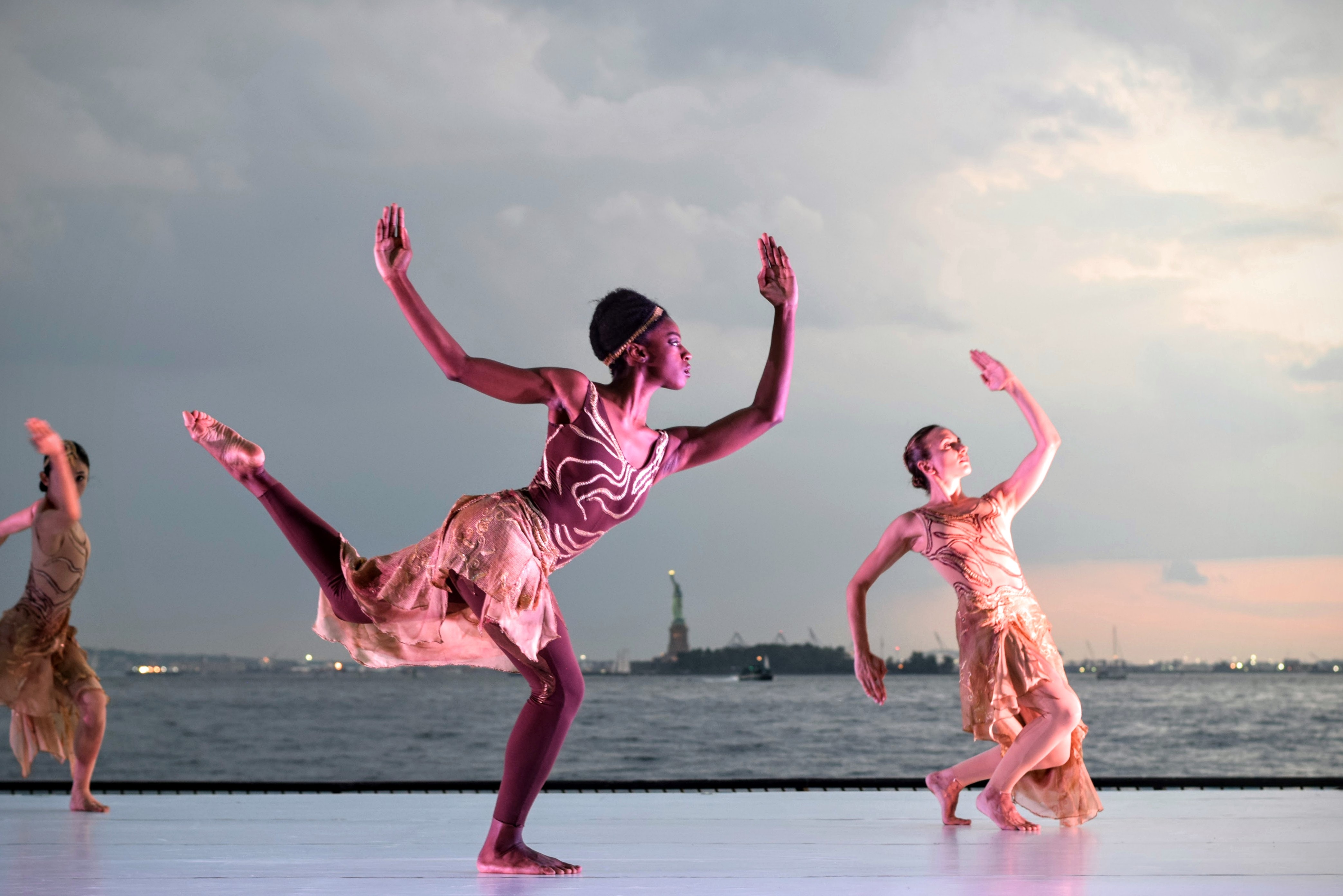
Why do I need to practice?
Dancing is performance art, which makes practicing just as important. When you take the time and put in the effort to practice your dance steps before going on stage, it will show through your confidence when performing for others. Practicing can teach you new moves that might work better or help with any small errors made during rehearsals so they won't happen again while onstage. Practicing also builds up stamina and endurance needed for long performances like Broadway musicals where performers are often required to wear heavy costumes all night without taking regular breaks.
How should I practice?
What is the best way to practice dancing? Every single day, I make sure that I am practicing and doing my homework. Practicing every day not only keeps me on point so when Saturday night comes around, all my moves are sharp as a tack but it also helps with mobility which can come in handy if you need a quick getaway from an aggressive partner or even just someone who's crushing your feet during the dance floor grind. It?s important to always be prepared by going through some of your favorite songs beforehand while visualizing what they would look like danced out properly--that will help set up those muscle memories once you're actually at the club! The best time to practice dancing is when you feel inspired. Practice helps make your dance more fluid and expressive. If it's early on a weekday morning, try the energy of an aerobic workout or if it's late at night after dinner with family- have some fun!
Dancing is not only a great way to stay fit, but it can also improve your mood and help you become more confident. Dancing has proven benefits that go beyond just physical fitness. It's an excellent outlet for stress relief as well as anxiety management because the rhythmic movements of dancing stimulate both sides of our brain hemispheres at once (the right side handles analytical thinking while the left deals with creativity). Dancing can be therapeutic in talking through issues or solving problems without having to verbalize them - simply by moving around! Plus, if there are any worries about what others might think upon seeing one dance- those fears will disappear when they see how happy we look during our routine