
Trying to find the perfect place for butterflies is like trying to make a world where every human has everything they need. You can't just have one thing, you've gotta think of the whole life cycle and what it takes from caterpillars all the way through adulthood! Consider that some species live only as long as three or four days while others spend six months in their cocoon before emerging. And then there are those who never emerge at all - always clinging onto this earth with such beauty even when they're not alive anymore
Most adult butterflies live 10-20 days. Some, such as over wintering monarchs, may live six months. Butterfly tarsi or "feet" possess a sense similar to taste. Contact with sweet liquids such as nectar causes the proboscis to uncoil. Millions of shingle-like, overlapping scales give butterfly wings their color and patterns. Metallic, iridescent hues come from faceted scales that refract light; solid colors are from pigmented scales.
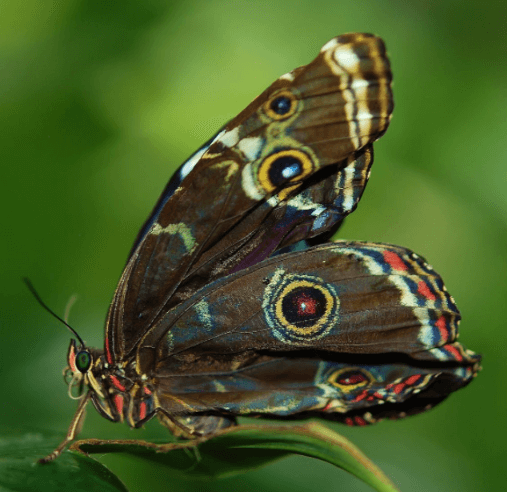
During the time from hatching to pupating (forming the pupa or chrysalis), the caterpillar may increase its body size more than 30,000 times. The chrysalises or pupae of many common gossamer wings - a group of butterflies which includes the blues, hairstreaks and elfins - are capable of producing weak sounds. By flexing and rubbing together body segment membranes, sounds are generated that may frighten off small predators and parasites.
In order to make a yard more attractive to butterflies, you need to provide the proper environment. Most important are food plants used by the immature stages (various caterpillars), food sources used by the adult butterflies, and physical environment. Adult female butterflies spend time searching for food plants required by the immature caterpillar stage. Most butterflies have specific host plants on which they develop. For example, caterpillars of the monarch butterfly develop only on milkweed, while the black swallowtail feeds only on parsley, dill and closely related plants. When females find the proper host plant, they may lay eggs on it.
Providing the necessary food plants for the developing caterpillars also allows production of a "native" population that can be observed in all stages of development. Most species, however, fly away as adult butterflies. Plants that attract butterflies can be divided into two categories; those that attract adults, and those that are food plants for butterfly larvae (Caterpillars). To attract more than just the passing wanderer, plant a good mix from both categories. By providing plants that the caterpillars can feed on, you will surely have butterflies come and stay. Please remember that Caterpillars will eat the foliage of these plants; therefore, you must accept the damage and forgo the insecticides.
To attract butterflies to your garden, you need the flowers that produce the nectar that butterflies drink. Nectar is the butterfly?s main source of food. To raise butterflies in your garden you need to grow the plants that caterpillars eat. There are certain plants that will attract caterpillars. If you want to observe the caterpillar?s transformation into a butterfly, plant these and let them come.
? Milkweeds ? Passion Vine ? Hollyhocks ? Wild Senna ? Pipevines ? Carrot ? Fennel ? Parsley ? Dill ? Wild Lilacs ? Wild Plums and Cherries ? Buckthorns ? Ashes ? Hop-tree ? Aspens and Willows ? Poplars ? Sage ? Poplar ? Wild Lime ? Citrus ? Carrot ? Fennel
Bright colors seem to attract more butterflies, but more importantly, large swaths of color will make it easier for them to find your garden.
_________________________________________
You can get access to lots of free activities and additional great resources here. Thanks for visiting our blog!