
The perfect farmhouse is a complicated thing. Sure, it's got to have the cozy look that makes you feel right at home with all of your family and friends there for dinner or movie night on Friday nights. But more than anything else, it needs to be built just so - somewhere in between too big and not spacious enough for even one extra guest without feeling cramped; not close enough proximally-speaking but still near civilization should things go awry (e.g., a nuclear missile attack). All this means is that making sure our design meets these high standards requires careful thought: what size will best fit my property? What materials are durable yet cost-effective in terms of time required during construction?
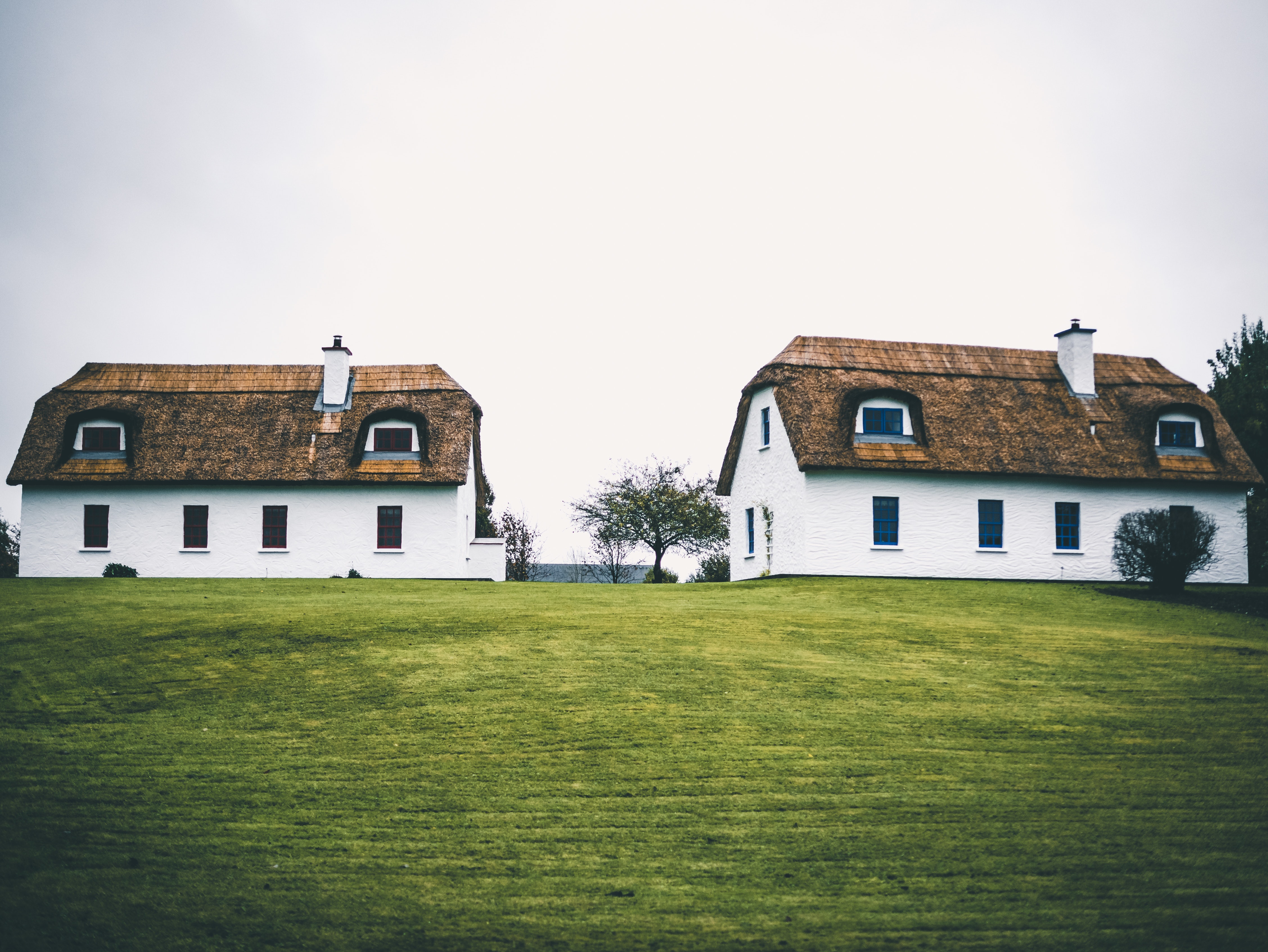
In this blog post, we'll cover the basics of designing a farmhouse. Many people are attracted to the farmhouse style for its simplistic charm and warm feel. A big part of designing any home is understanding your personal style, which will help you choose finishes that match what you're looking for in a house. You should also focus on how many rooms you need and if there's enough space for all your furniture so that nothing feels cramped or out of place. We'll also talk about lighting, natural light sources like windows and skylights, as well as interior finishes such as flooring materials, paint colors, window treatments, and more!
1. Look for inspiration in your home's surroundings
Farmhouses are a staple of the pastoral landscape, but many don't know how to find inspiration for their own homes. Here's where your home can be found! Whether you live in a rural village or an urban neighborhood, there is probably some green space nearby that could provide you with design ideas and materials. It might even have already provided them; do not discount what may seem like litter on the first inspection as material waiting to decorate your farmhouse floorboards or adorn kitchen shelves.
2. Start with the kitchen and work your way out
Start with the kitchen and work your way out in designing farmhouse spaces. Carefully selected furniture, such as a table that seats 12 people comfortably for family gatherings or gathering friends together to prepare an elaborate dinner party menu. A well-equipped pantry will allow you to stock up on canned goods, spices, tea leaves, and more so they're already handy when needed without risk of spoilage during transport from store shelves back home where it's stored away until next time!
3. Create a focal point in each room to tie it together
A focal point is a sense of unity in your farmhouses that ties it together, such as the living room couch or family portrait over the fireplace.
4. Think about how you will use the space - is it for entertaining or just day-to-day living
As you reflect on your farmhouse, maybe one thing that comes to mind is "planned for entertaining." This can be a lot of fun. It's worth thinking about how often space will host guests and what types of activities people are likely to participate in. For example, if there is an open living room with wide windows overlooking fields or trees then it might make sense to furnish this area so someone could enjoy sitting by themselves enjoying nature as well as entertain friends who come over for dinner parties outside!
5. Consider your family's needs and lifestyle when designing furniture placement
It can often feel like a balancing act to find places for all of our belongings in such confined spaces. When designing an area, it is important not only that we consider what kind of space will fit best but also how many people are living there and their specific lifestyle habits as well!