
10 Steps To Getting Started Playing Chess
Chess is one of the oldest games in the world. The earliest evidence of chess dates back to around AD 600, when it was mentioned in a text called "The Game and Playe of Chess" by an English writer named John Heywood. There are many different strategies for playing chess. In this article we will discuss 10 steps you can take to get started playing chess!
Introduction:
So now you're ready to start playing chess, but don't know where to begin? Here's a ten-step guide of what you can do in order to get started the right way! Now it may not be easy because there is always something new for your brain to process, but it will be worth it! Try going out there and having some fun while learning something new at the same time. Who knows, you may even make a friend or two in the process. So get ready to start playing chess by following these ten steps:
Step One: Find a Partner
Chess is best played with someone else. You can find partners at chess clubs, on online forums or apps such as Chessable or Play Magnus, and in libraries that offer public chess events!
Step Two: Get the Right Equipment
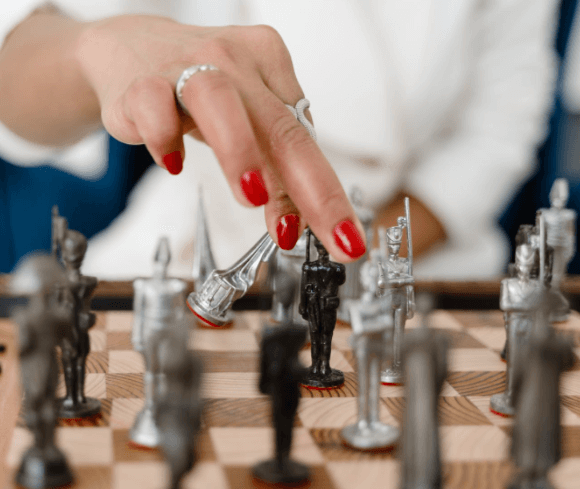
A good set of pieces will make playing much easier. I suggest you find a set that has both the black pieces and white pieces, as well as two sets of red pawns.
Step Three: Find Your Game Style
There are many different game styles to play chess. These include "closed", where you try to beat your opponent by making them run out of moves; "open" where you try to attack and then you'll have a much greater chance of winning; and "blitz" where you play with time limits.
Step Four: Study Your Opponent's Moves
The best way to start learning how to play chess is by playing without the board! You can study your opponent's moves through their pieces, which will help you learn what they're trying to do in order to win.
Step Five: Keep Your Pieces Safe on the Board
The less pieces you have in play, the more likely it is that your opponent will be able to beat you. Protecting your pawns and rooks (the two most valuable pieces) as well as keeping an eye out for opportunities when they're exposed can help a lot when trying to position your pieces to win.
Step Six: Take Advantage of Your Opponent's Weaknesses
If you're having a hard time figuring out how best to protect your own piece, look at the other person's chess board and see if they have anything that might be vulnerable for you to take advantage of. For example, if it looks like there is a chance that the other player might be going to move their queen, you can take a pawn or knight and try to prevent them from getting it back by placing your piece in front of theirs.
Step Seven: Start Using Tactics
Trying tactics (i.e., making an attack on one side while defending on another) is one of the most difficult things to accomplish. However, with work and persistence, it is something you will be able to do with success.
Step Eight: Learn to Read Your Opponent's Moves
If you want to be a better chess player, it's important that you try and figure out what your opponent is going to do next. If they capture one of your men, it might make sense for them to move from the piece back into their own territory or attack another area.
Step Nine: Learn to Think Ahead
The final step is about thinking ahead. You need to be able to see how your opponent's moves will affect their future, as well as yours. This helps you make decisions more quickly and position yourself better in the game. For instance, if they go for one of your kingside pawns you will know to place your queen on the other side of the board to protect it. Think about how their moves will affect them in the future and make decisions accordingly.
Number Ten: Conclusion
By following these ten steps, you're sure to start playing chess with greater understanding and skill. Before you know it, you?ll be able to confidently play against friends, family and even people on the Internet.